
As a pastor and theologian, explain the context and the intended meaning of James 4:17 in the Bible.
Response:
James 4:17 (ESV):
“So whoever knows the right thing to do and fails to do it, for him it is sin.”
Context of James 4:17
This verse is the concluding statement of James 4, a chapter that speaks powerfully about humility before God, the dangers of pride, and human presumption—particularly the arrogance of planning our lives without regard for God’s will.
James 4:13–16, the immediate context, rebukes those who say, “Today or tomorrow we will go into such and such a town and spend a year there and trade and make a profit”, without acknowledging God. James reminds them: “You do not know what tomorrow will bring… Instead, you ought to say, ‘If the Lord wills, we will live and do this or that.’” This rebuke isn’t against planning itself, but against self-reliant, godless planning.
Intended Meaning of James 4:17
1. Knowledge + Inaction = Sin
James intensifies the moral responsibility of believers. He shifts from warning against wrongdoing to condemning the omission of right-doing. Sin is not just doing what is wrong (sins of commission), but also failing to do what is right (sins of omission).
This is profoundly theological. It affirms:
- Moral responsibility grows with moral awareness.
- Accountability to God is not only for evil done, but for good left undone.
2. A Personal Call to Obedience
The phrase “for him it is sin” implies that sin here is not just about general rules, but about personal conscience illuminated by God’s truth. When the Spirit convicts you of what is right—be it showing mercy, telling the truth, forgiving, or acting justly—and you resist or ignore it, that refusal becomes sin.
Theological Insight
James 4:17 connects deeply with Jesus’ teachings (e.g., Luke 12:47 – “the servant who knew his master’s will but did not get ready or act according to his will, will receive a severe beating”). It reveals that sin isn’t only measured by external transgressions but also by internal disobedience.
This verse also echoes the Old Testament prophetic tradition, where righteousness is defined not only by piety but by doing justice, loving mercy, and walking humbly with God (Micah 6:8).
Application for Today’s Believer
- Call to conviction-led action: Don’t wait to be forced or prompted. If God has shown you something to do—reconcile with someone, serve, speak truth, give generously—delayed obedience is disobedience.
- Accountability before God: In an age of spiritual consumerism, this verse is a wake-up call that passive Christianity is not neutral—it can be sinful.
- Pastoral challenge: As leaders, we must model what it means to live in active obedience to God’s promptings.
Summary:
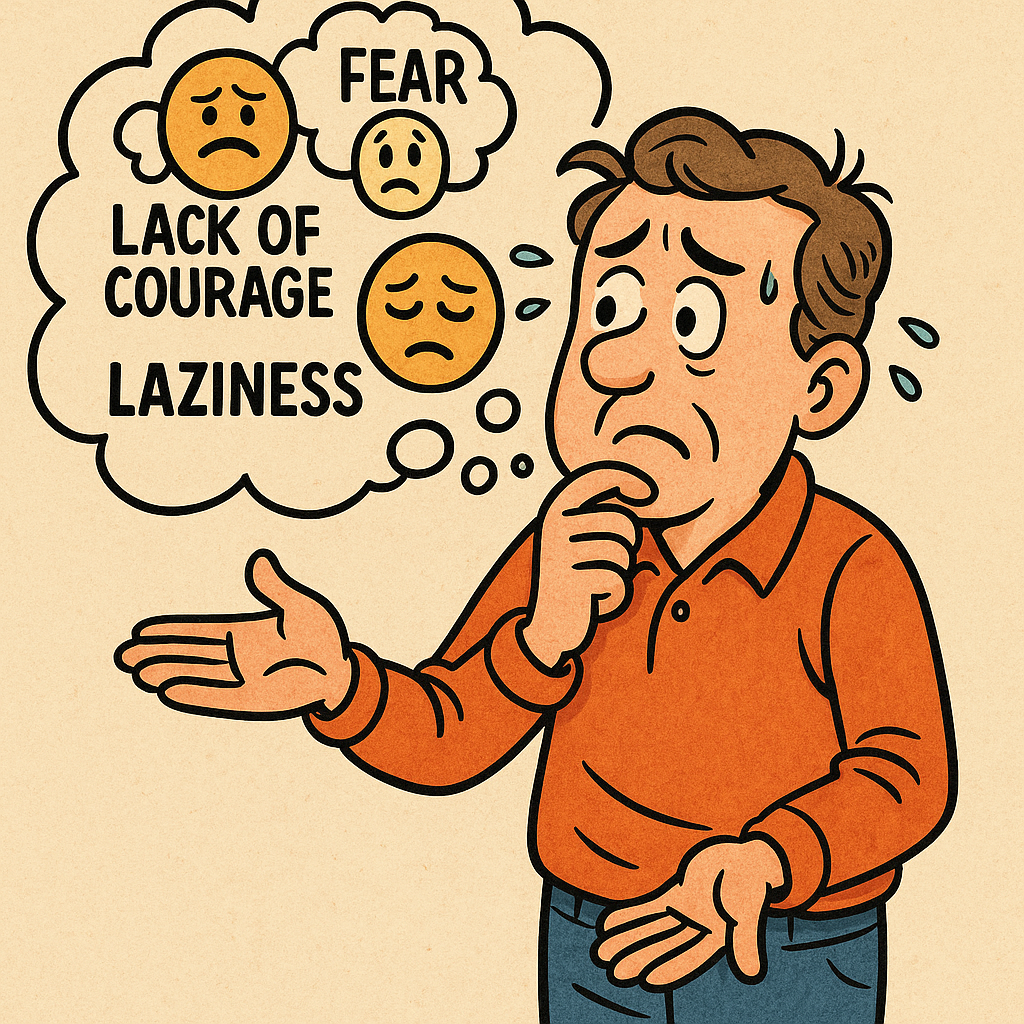
James 4:17 teaches that knowing God’s will obligates us to act. Failing to do so—whether out of fear, laziness, or indifference—is sin. It’s a sobering reminder that God’s judgment weighs not only our actions, but also our inactions. James calls believers to a life of humble, Spirit-led obedience rooted in trust and dependence on God’s will.